
Modernising for the Future:
KWAP's Digital Transformation Journey

In today's fast-changing digital world, public sector organisations must modernise to stay effective and meet rising expectations. For Kumpulan Wang Persaraan (Diperbadankan) [KWAP], Malaysia's largest public service pension fund, digital transformation is key to ensuring retirement services are secure, efficient, and ready for the future. Maz Mirza, KWAP's Chief Digital Officer, shares how the organisation is thoughtfully balancing new technologies with legacy systems and regulatory requirements, while building a culture that embraces innovation and sustainable growth.

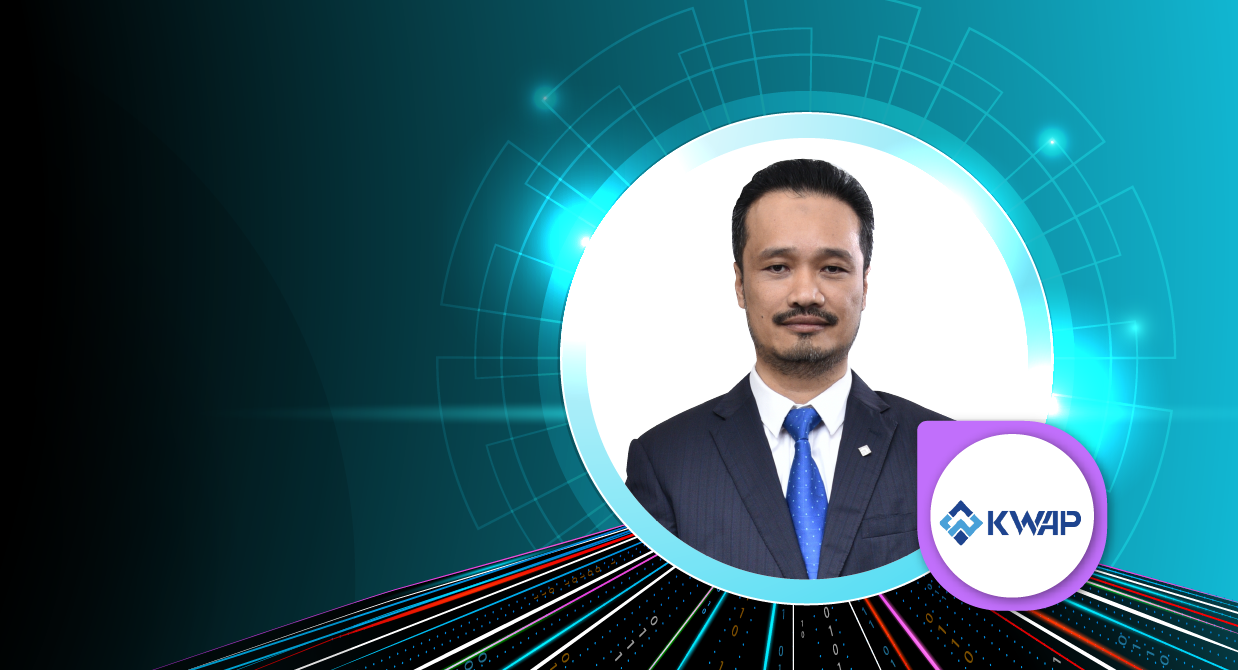
Maz Mirza Mohd Aminurashid
Chief Digital Officer
Kumpulan Wang Persaraan (Diperbadankan) [KWAP]

Q1. What sparked KWAP's digital transformation journey, and how do you ensure it stays aligned with KWAP's mission of delivering retirement services and managing long-term pension funds?

Maz Mirza: KWAP's transformation journey began with a strategic, organisation-wide plan built on five key pillars, two of which focused on people and digital enablement. This vision was driven internally by cross-functional teams across departments, emphasising a shared commitment to modernisation.

When I stepped into the Chief Digital Officer role, one of my first mandates was to assess the organisation's existing digital capabilities and close the gaps, both in skills and infrastructure. We weren't just chasing technology trends; we were aligning transformation efforts with our core mission: ensuring long-term financial sustainability for Malaysia's public servants. Every digital initiative, from team restructuring to system enhancement, is rooted in that mission.

Q2. What were the major turning points in this journey and what challenges did you face modernising legacy systems?

Maz Mirza: There were several key turning points, especially as we aligned our digital goals with KWAP's broader strategic objectives. A significant focus was reimagining the pension system to better serve the next generation of retirees; one that's more digital-savvy and has different expectations around access and service.

One of the challenges was nurturing a digital mindset throughout the organisation to encourage adoption of new technologies and innovative approaches. At the same time, we worked closely with agencies such as the Public Services Department (JPA) and Ministry of Finance (MoF) to ensure that our efforts complied with data privacy regulations like the Personal Data Protection Act 2010 (PDPA) and the Malaysian Cyber Security Act 2024, outlined by the National Cyber Security Agency (NACSA).

On the technical front, updating legacy systems that serve over 800,000 pensioners required careful planning to maintain smooth operations, operational continuity and secure data exchange, especially for reporting. This effort required both technical solutions and strong organisational alignment.

Q3. How does KWAP manage cybersecurity, compliance, and business continuity as part of this transformation?

Maz Mirza: Cybersecurity and compliance are non-negotiable at KWAP, especially when you manage sensitive financial data for fund investments and the nation's pensioners. Our approach goes beyond IT function, it's integrated across legal, risk management, and compliance teams. We have established a dedicated data privacy practice group and appointed a Data Protection Officer (DPO) from our legal team, in line with government requirements.

We adopt recognised frameworks such as Rangka Kerja Keselamatan Siber Sektor Awam (RAKKSSA) and align our processes with ISO 27001 standards to maintain a robust security environment. Our internal audit and compliance teams ensure adherence to these standards through continuous assessments.

At a strategic level, we continually review our policies and practices, identifying areas for improvement across the eight pillars of the RAKKSSA framework. This comprehensive approach ensures our digital infrastructure remains secure, compliant, and resilient, supporting both business continuity and the trust of our stakeholders.

Our 2022 organisational transformation elevated IT to a strategic level, reflecting the growing importance of digital strategy in supporting KWAP's overall mission.

Q4. As you explore Disaster Recovery (DR) and cloud-based solutions, how do you see reliable, high-speed connectivity enabling secure service delivery, cloud readiness, and resilience planning in a mission-critical organisation like yours?

Maz Mirza: Connectivity underpins everything, from daily operations to DR planning. Our Business Continuity Plan (BCP), driven by the Risk Management team, works closely with the Digital Division and business units to assess the real-world impact of outages and identify gaps in our capabilities.

While some systems can tolerate short periods of downtime, reliable, high-speed connectivity ensures that core services remain accessible and secure. It also supports cloud adoption and resilience, especially as we move more workloads off legacy systems and onto cloud-native platforms. Our connectivity infrastructure, powered by Time, is a key enabler of this evolution.

Q5. What does a future-ready, fully digital KWAP look like to you — and what technologies or strategies are you prioritising to build the culture that supports it?

Maz Mirza: A future-ready KWAP is one where digital is embedded in how we think and operate, not just in our tools. We are fostering a culture of digital curiosity across the organisation, introducing emerging technologies like AI prompting and Robotic Process Automation (RPA). But tech alone isn't enough, we're educating our people about what these tools are and how they can be used to solve real problems.

We've also implemented a robust data governance framework based on the Data Management Association (DAMA) principles to manage our growing data footprint. This includes appointing data owners and stewards across departments and classifying over 300 critical data elements during the initial implementation.

As data is the foundation for AI and advanced analytics, governance plays a crucial role in ensuring not just data quality, but also clear accountability. Today, the data governance structure is part of our broader Digital Technology Committee, a reflection of how integral data management has become to our digital and enterprise strategy.

Q6. What advice would you give to other GLICs or public agencies on starting or accelerating their digital journeys?

First, recognise that digital transformation isn't one-size-fits-all.


Understand the demographic and expectations of your organisation. KWAP's average employee age is 37, and that influences how we approach change.

Second, be clear about your long-term goals.


What do you need to deliver in the next 5 to 10 years? Identify the foundations you need to build today and the gaps you must bridge, whether in skills, systems, or stakeholder alignment.

Lastly, be empathetic.


You're asking people to change how they work, think, and engage. Lead with humility. This is a journey and I'm still building the foundation, but with clarity of purpose and consistency, digital transformation becomes not just possible, but sustainable.

KWAP's digital transformation is not about technology for technology's sake, but it is about reimagining how a public institution can be more responsive, secure, and relevant in today's digital-first world. Anchored by its official tagline, Your Retirement Companion, KWAP is driving change through thoughtful approach on governance, culture, and stakeholder alignment. The result is a more connected and resilient investment fund and pension management ecosystem, built to serve Malaysians with greater trust, transparency, and care.

Transform Your Business with Time

Time is your trusted partner in digital transformation, empowering your journey with secure connectivity, agile cloud solutions and resilient cybersecurity.